




Experience winter whale watching in Iceland
Winter in North Iceland brings a special kind of magic to the coastline. With fewer visitors, soft Arctic light, and peaceful fjords, it’s a time when humpback whale watching becomes a quieter, more intimate experience.


Why go whale watching in Winter?
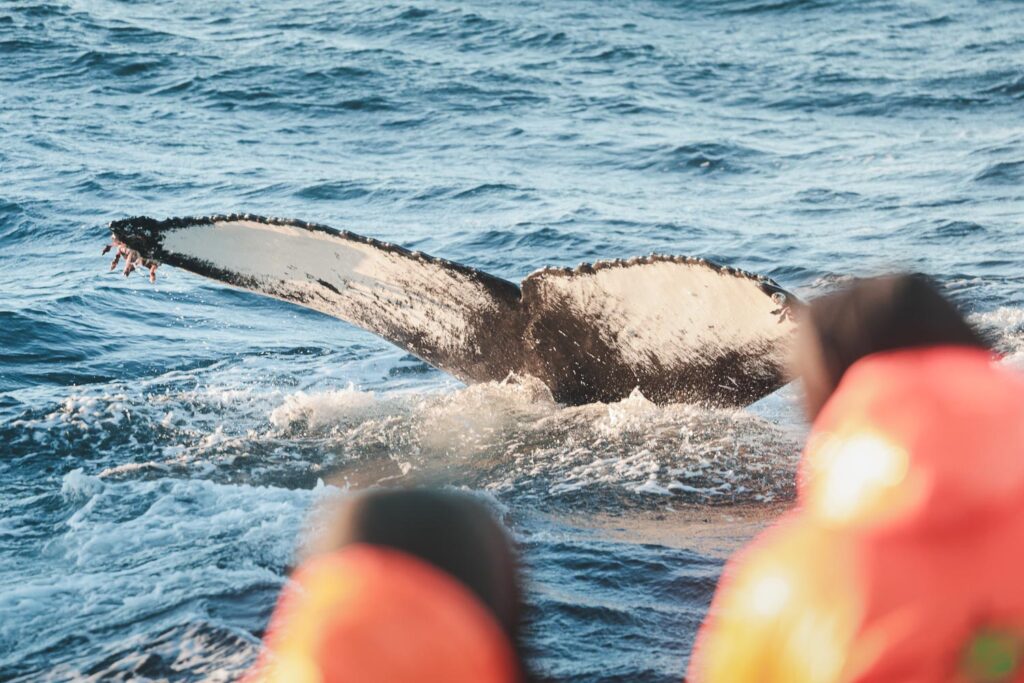
Winter whale watching is a completely different experience from the busy summer season. The days are shorter, the light is softer, and the atmosphere onboard is calm and relaxed. With fewer boats on the water, you get a more personal connection with nature and the wildlife around you. Snow-covered mountains frame the fjords, the sea is wintry, and seeing a humpback whale rise, blow, and show its tail as it dives is truly unforgettable.
Which whales can you expect?
October and November have once again been great months for spotting humpback whales, with daily sightings from both Húsavík and Árskógssandur. Even as winter settles in, the whales remain in the area, feeding and enjoying the rich, nutrient-filled waters.
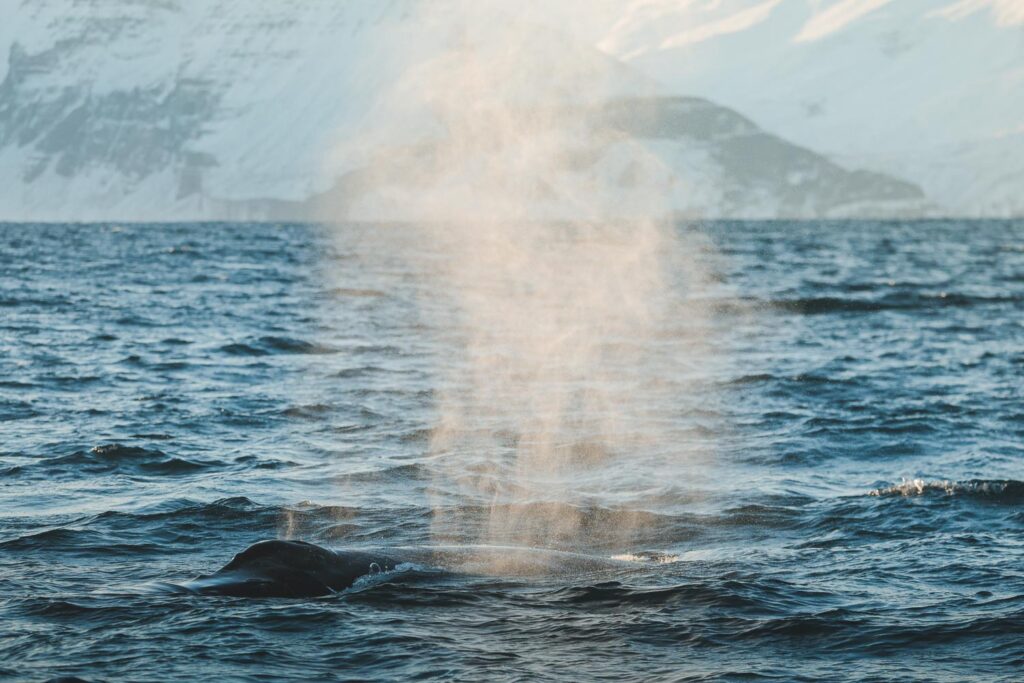
Humpback whales are the stars of the winter season in North Iceland. While humpbacks are the most common during winter, other species occasionally appear as well, keeping every tour exciting and unpredictable.
How to prepare for a winter tour?
Staying warm is the key to enjoying your time at sea. We provide warm overalls for every passenger, and we always end the tour with hot chocolate and a cinnamon cookie. Still, winter weather calls for a bit of preparation.
Here’s what we recommend:
-
Dress in warm layers
-
Wear a good winter jacket
-
Bring a hat and gloves
-
Choose warm socks and comfortable winter shoes
With the right clothing, the cold becomes part of the adventure rather than a challenge.
Where and when to join us
Húsavík
Our tours in Húsavík start again on the 1st of March, just as we’ve done for many years. Early spring often brings calm seas and beautiful light over Skjálfandi Bay, making it a perfect time to enjoy whale watching.

Árskógssandur
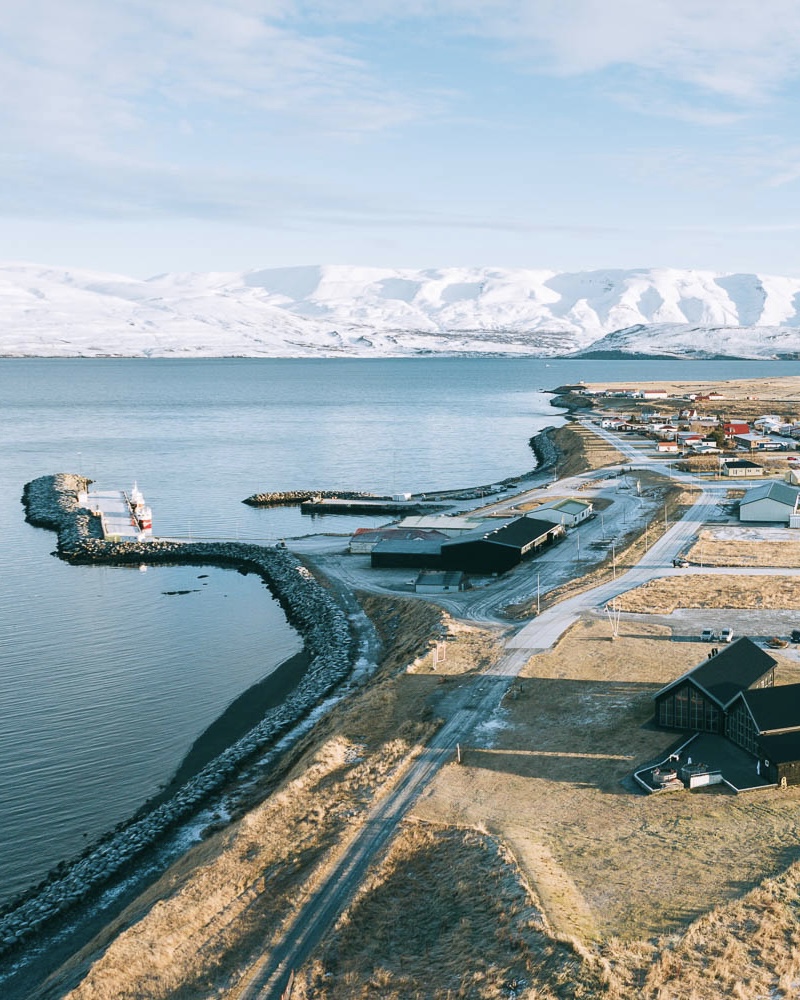
In Árskógssandur, we continue sailing until mid-December. After a short winter break, we return to the water at the beginning of February, ready to meet our whale friends again.


